

What Is Pellela?
Pellela is one of those words that feel like a soft whisper—melodic, gentle, and filled with hidden meaning. It rolls off the tongue like poetry, evoking curiosity the moment it’s heard. Is it a name, a place, or a concept? In truth, Pellela is all of these things—and more. While many people may have never encountered the word before, once introduced, it lingers in memory like a beautiful secret. With no hard edges in pronunciation and no overwhelming complexity, Pellela gently invites us to explore its depth.
In today’s world of rapid-fire words and overused terminology, Pel lela stands out with quiet grace. This article will dive deep into the origins, linguistic background, real-world geography, cultural value, surname history, and branding potential of Pellela. Whether you are curious about it as a traveler, a linguist, a cultural enthusiast, or an entrepreneur, there is something in Pellela for you.
Etymology and Linguistic Roots of Pellela
Where Does the Word “Pellela” Come From?
Although there is no single documented origin of the word Pellela, linguistic patterns suggest possible roots in either Romance languages like Italian or Dravidian languages like Telugu. The repetition of soft consonants (“l”) and vowels (“e”, “a”) is common in both linguistic families, often found in names of towns, rivers, or people. The word has phonetic similarities with “bella” (Italian for beautiful) and “pela” (used in various languages to denote field or plain). But Pel lela is more than a linguistic artifact—it feels ancient and yet modern, delicate yet rooted. In the South Indian context, particularly in Andhra Pradesh, “Pel lela” may have been derived from a surname or village name denoting family lineage or geographical affiliation.
What Makes the Word Special?
What sets Pellela apart is its phonetic structure and emotional tone. It sounds gentle, lyrical, and inherently calming. With no aggressive syllables or awkward phonemes, it’s easy to pronounce and hard to forget. Unlike generic terms, Pel lela has no direct meaning in English, giving it the quality of a blank canvas—ideal for storytelling, branding, or philosophical interpretation. The word radiates qualities like calmness, belonging, origin, and tradition. Its uniqueness makes it ideal for SEO, domain branding, and digital identity creation in a saturated market of repetitive names.
Pellela as a Real Place: A Village in India
Geographic Location and Overview
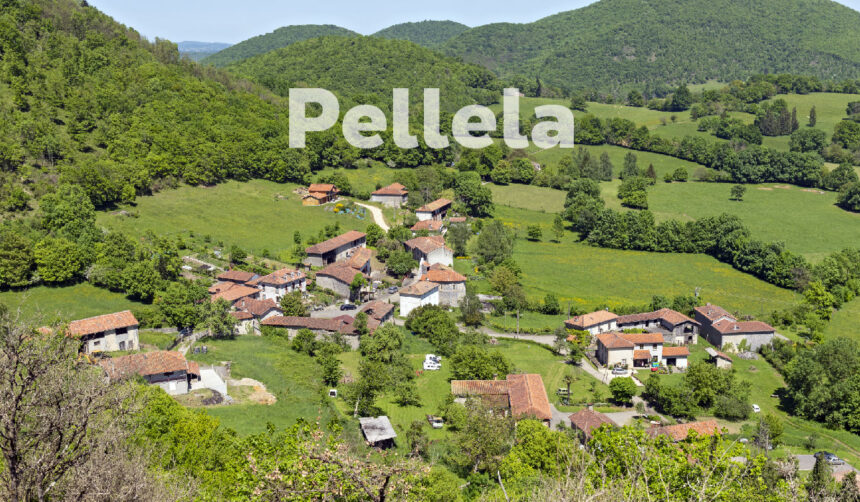
Pellela is not just a conceptual term—it is an actual village in the Khammam district of Andhra Pradesh, India. Nestled among green fields, rural trails, and cultural landmarks, this small village is emblematic of India’s deeply rooted agrarian past. The community here thrives on farming, tradition, and collective identity. Unlike bustling cities that constantly evolve, Pel lela remains beautifully static—a place where change is slow, and traditions remain strong. It’s a place where life follows the rhythm of the seasons, and where simplicity reigns.
The History Behind Pellela
While Pellela may not appear in national history books, it holds immense local historical value. Oral history, passed through generations of village elders, tells stories of land cultivation, seasonal festivals, family migrations, and spiritual practices. Census records and administrative maps trace the village’s existence over decades. Once a modest rice cultivation hub, Pel lela became known in nearby towns for its skilled weavers and potters. Its greatest strength lies in its endurance—its ability to retain cultural identity even in the face of modernization and urban migration.
Cultural Traditions and Daily Life in Pellela
Festivals and Celebrations
Cultural life in Pellela is colorful, communal, and deeply tied to nature and harvest cycles. Festivals like Sankranti (the harvest festival) and Ugadi (the Telugu New Year) are celebrated with full participation from the entire village. Families gather, food is shared, and traditional games and music fill the air. Temple rituals, religious processions, and village fairs turn the community into a living theatre of spirituality and joy. Storytelling under banyan trees and songs of gratitude to the land are still practiced—rare and priceless customs in our increasingly digital lives.
Traditional Food and Cooking
The cuisine in Pellela is an extension of its land—rice-based, wholesome, and deeply satisfying. Dishes are often made with locally sourced ingredients, such as lentils, mustard seeds, curry leaves, and leafy greens. Traditional techniques such as stone grinding, clay pot cooking, and wood-fired stoves are still in use. Meals are more than nourishment—they are rituals of connection, shared among neighbors, family, and guests. The taste of Pel lela is not just in its ingredients, but in its preparation—slow, intentional, and from the heart.
Craftsmanship and Oral Arts
Some families in Pellela still practice handloom weaving, pottery, and folk storytelling, passing their skills through generations. These crafts are not commercialized but serve a cultural purpose, keeping the village’s history alive. During festivals and weddings, villagers sing ballads that recount epics and local legends. These oral traditions are invaluable archives of the village’s soul, surviving even without written records.
Socio-Economic Aspects of Pel lela
Agriculture and Local Economy
Pellela’s economy revolves around farming—primarily rice, but also cotton, groundnut, and seasonal vegetables. Families own small plots of land and often share resources through cooperative labor models. Traditional irrigation methods, like canal and tank systems, are still used, although borewells and drip systems are becoming common. The village exemplifies a self-sustaining model, where trade is local, and consumption is minimal but sufficient.
Infrastructure and Education
Education in Pellela is improving, with government-run primary schools and NGO-supported learning initiatives. While older generations often stayed within the village, younger people are now pursuing secondary and college education in nearby towns like Khammam and Warangal. Infrastructure has also grown—better roads, cellular networks, and solar power projects are bringing Pel lela closer to the 21st century without compromising its roots.
Challenges and Development
Like many Indian villages, Pellela faces issues: youth migration, climate change effects on farming, healthcare inaccessibility, and a digital divide. However, mobile health camps, rural tech awareness programs, and skill development initiatives are emerging. The village is adapting, but cautiously—rooted in community values and cautious of losing its identity.
Pellela as a Surname and Identity Marker
Use in South Indian Families
In India, surnames often denote geographic origin, caste, or occupation. The surname Pel lela is used by certain South Indian families, especially those originating from the village itself. Carrying this surname means more than just a name—it implies ancestral land, community affiliation, and pride in one’s roots.
Diaspora and Cultural Memory
As family members migrate to Hyderabad, Bengaluru, or overseas, Pellela becomes more than a physical location—it becomes symbolic. People proudly include “Pellela” in digital bios, resumes, and family histories. It links them back to their village, reminding them of their roots even in urban environments. For many in the diaspora, Pel lela offers continuity in identity.
Symbolic and Emotional Meaning of Pellela
What Pellela Represents Emotionally
Pellela isn’t just a place or surname—it represents stillness, connection, and belonging. In a world filled with digital noise, Pel lela reminds us of a simpler, more authentic life. It symbolizes community strength, cultural memory, and the beauty of staying grounded.
Comparison with Global Names
Pellela can be compared with global heritage names like Savoca (Italy), Shirakawa (Japan), and Kerala (India). These are names of places that became symbols of slow living, authentic culture, and aesthetic beauty. Yet unlike those well-known destinations, Pellela remains undiscovered, making it ripe with potential.
Pellela in Modern Branding and Creative Use
As a Brand Name
With its soft tone, unique spelling, and emotional warmth, Pellela is a perfect brand name for wellness, lifestyle, eco-travel, or artisan goods. Its domain name availability and SEO potential are extremely high due to its rarity.
Hashtag and Social Media Potential
Social media-ready hashtags like #Pel lelaLife, #RootedInPel lela, or #LivePellela can represent sustainability, ancestral wisdom, or countryside aesthetics. Pinterest boards and Instagram posts already hint at such themes—even without direct reference.
Digital and Entrepreneurial Potential
Entrepreneurs could use Pel lela for projects involving mindfulness, eco-crafts, organic farming, or rural retreats. Its open-ended nature means you can define what Pellela stands for in the digital world.
Pellela’s Digital Presence and Search Trends
Google Trends and Analytics
Currently, “Pel lela” shows regional interest in South India, particularly Andhra Pradesh. It is not yet globally competitive, which means ranking #1 on Google is very achievable with proper SEO.
Domain Name Availability
Many domain extensions like pel lela.com, pel lela.org, and pel lela.in are likely still available, making it a first-mover advantage for startups or creators.
Tourism and Travel: Visiting Pel lela
Natural Beauty and Attractions
Surrounded by hills, rivers, and green farmlands, Pel lela offers peaceful travel experiences. Mornings start with birdsong, and evenings end with stories around wood fires.
Homestays and Hospitality
Family-run guesthouses offer a deeply personal stay—home-cooked meals, guided walks, and storytelling nights. Pellela’s hospitality feels more like a homecoming than tourism.
What to Do in Pel lela
Travelers can engage in agri-tourism, pottery workshops, heritage walks, and temple visits. There’s no rush—Pel lela is about slowing down and connecting.
Sustainable Tourism and Pel lela’s Global Relevance
Why It Appeals to Conscious Travelers
Eco-tourism and slow travel seekers are drawn to places like Pel lela, which emphasize sustainability, organic farming, and minimal impact living.
How to Reach and Best Time to Visit
Accessible by road from Khammam or Hyderabad. The best months are October to March, during festivals or harvest seasons.
Pellela’s Growing Influence in Global Culture
Cross-Cultural Recognition
As global culture leans toward roots-based storytelling, Pel lela fits perfectly into themes of authenticity, ancestry, and cultural resilience.
Inspiration for Artists, Writers, Designers
Designers, bloggers, and musicians can draw inspiration from Pellela’s philosophy—rooted yet relevant, ancient yet inspiring.
Future Possibilities for Pellela
As a Movement or Concept
Pellela could evolve into a slow-living movement, a digital lifestyle brand, or a cultural collective around origin, peace, and nature.
Preservation and Responsible Growth
With careful curation, Pellela can grow without losing its identity. Its real-world village and digital concept can coexist—both grounded in respect.
Conclusion
Pellela is more than a name. It’s an experience, a feeling, a story waiting to be told. From the rice fields of rural India to the minds of digital creators, it speaks of identity, memory, and hope. In a chaotic world, Pel lela whispers of home. Whether you’re searching for meaning, building a brand, or just learning about the world—remember Pel lela. It’s small, but powerful. Simple, yet infinite.
FAQs
1. What is Pellela?
Pellela is a village in Andhra Pradesh, India, known for its peaceful rural lifestyle, rich cultural traditions, and strong community values. It is also used as a surname and has become a meaningful term for identity, heritage, and simplicity.
2. Where is Pellela located?
Pellela is located in the Khammam district of Andhra Pradesh, a southern state in India. It is a small, agriculture-based village surrounded by green fields and hills, known for its natural beauty and traditional festivals.
3. What does the word Pellela mean?
The word “Pellela” does not have a direct meaning in English, but it is often linked to calmness, heritage, and identity. It is easy to say and remember, making it a strong name for branding, culture, or storytelling.
4. Is Pellela used as a family name?
Yes, Pellela is used as a surname in some South Indian families. It often shows a connection to the village of Pel lela or nearby regions, representing family roots and local history passed down through generations.
5. Can Pel lela be used as a brand name?
Yes, Pel lela is a great brand name. Its unique sound, soft pronunciation, and cultural depth make it perfect for businesses in wellness, lifestyle, travel, or handmade products. It’s also SEO-friendly because it is rarely used online.
Read More: WatchNewMovieNet com Exposed: The Shocking Truth You Must Know
For More Information, Visit Emperormagazine