

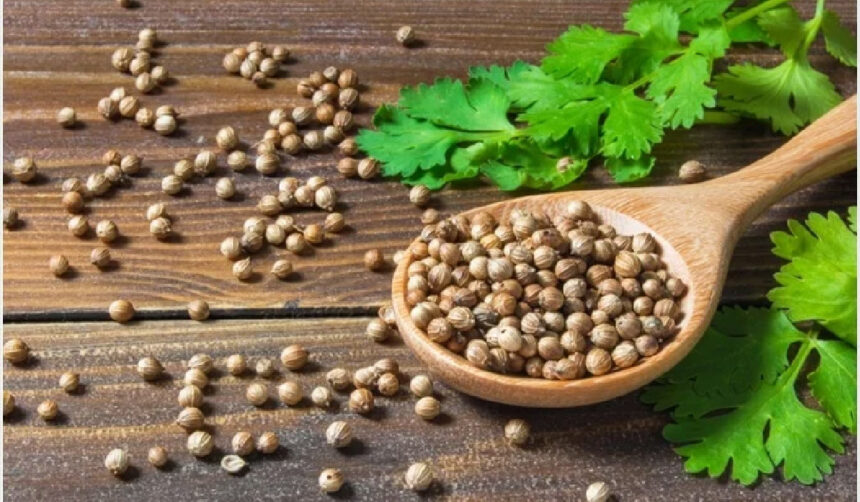
What Is Koriandri?
Koriandri is more than just a plant; it’s a bridge between ancient tradition and modern wellness, connecting kitchens, cultures, and natural remedies across the globe. Scientifically known as Coriandrum sativum, Koriandri is an herb that wears many names—coriander in Europe and Asia, cilantro in the Americas, dhania in India, and kuzbara in the Middle East. Regardless of the regional term, it refers to the same plant, valued for both its fresh green leaves and its dried golden seeds.
These two parts serve very different culinary and medicinal purposes, with the leaves offering a bright, citrusy flavor and the seeds a warm, nutty aroma. Koriandri is one of the rare plants where every part—from root to seed—is used in food, medicine, and wellness. Its dual identity as both herb and spice has helped it remain a pantry staple for centuries, while its health-supporting compounds have made it a favorite among herbalists and holistic practitioners. In the following sections, we’ll explore in depth how this unassuming herb has achieved such global significance.
Botanical Profile of Koriandri
Koriandri belongs to the Apiaceae family, the same group that includes parsley, celery, and fennel. The plant itself is easy to grow and easy to recognize. Its feathery, flat green leaves resemble parsley, but when you crush them between your fingers, you’ll notice a stronger, more lemony fragrance. When in bloom, Koriandri produces clusters of tiny white or pale pink flowers that eventually turn into small, round seeds.
The plant typically grows up to 60 centimeters tall and completes its life cycle in a single season. It thrives in warm, sunny environments with loamy, well-drained soil, making it a common crop in home gardens as well as commercial farms. Koriandri’s lifecycle begins with germination in 7 to 14 days, leading to a bushy herb within 3 to 4 weeks. If allowed to flower, the plant produces coriander seeds, which can be harvested in about 6 to 8 weeks. This simple but fast growth cycle makes it an excellent herb for kitchen gardeners and eco-farmers alike.
Koriandri in History and Culture
The story of Koriandri stretches back more than 7,000 years, beginning in the Mediterranean basin and Western Asia. Historical records show that ancient Egyptians used Koriandri in their rituals and burials—its seeds were discovered in the tomb of King Tutankhamun, symbolizing its value not only as a spice but also as a sacred plant. The Greeks and Romans used it to flavor wine and preserve food, while also acknowledging its medicinal properties in their early pharmacopeias.
As global trade expanded, Koriandri traveled through spice routes into India, Southeast Asia, the Middle East, and eventually the Americas. Along the way, it became embedded in local cuisines, ceremonies, and healing systems. In India, it is a key component of Ayurveda and everyday meals. In Middle Eastern and Albanian cultures, it features in both spiritual rituals and family dishes. Koriandri represents more than flavor—it symbolizes health, prosperity, and cultural identity across continents.
Culinary Uses of Koriandri
Koriandri’s culinary versatility is unmatched. Its fresh green leaves, commonly referred to as cilantro, are a staple garnish in Latin American tacos, Indian curries, Thai noodle soups, and Vietnamese rolls. Their citrusy, slightly peppery flavor adds a burst of freshness to any dish, especially when added just before serving to preserve aroma. The dried seeds, known as coriander, are roasted and ground into spice blends like garam masala, curry powder, and pickling spice mixes. They offer a warm, nutty taste with hints of citrus, deepening the flavor of stews, sauces, and marinades.
Even the roots and stems are used—particularly in Thai and Southeast Asian pastes—where they contribute a deep, earthy aroma. Signature dishes that feature Koriandri include Indian biryani, Mexican salsa verde, Middle Eastern tabbouleh, and Uzbek naan bread topped with coriander seeds. It is not an exaggeration to say that Koriandri is a cornerstone ingredient in world cuisine.
Nutritional Value of Koriandri
Koriandri is a powerhouse of natural nutrition. Its leaves contain high amounts of Vitamin A, which supports vision and skin health; Vitamin C, essential for immune defense; and Vitamin K, crucial for strong bones and proper blood clotting. The plant is also a good source of iron, helping to produce healthy red blood cells, and magnesium, which supports energy levels, muscle function, and nerve health.
Potassium in Koriandri helps regulate blood pressure and supports heart function. Beyond these, the herb contains antioxidants, dietary fiber, and essential oils that play roles in reducing inflammation, supporting digestion, and detoxifying the body. Importantly, it is extremely low in calories, making it a favorite for health-conscious diets like keto, vegan, and Mediterranean.
Health Benefits of Koriandri
Koriandri has long been celebrated for its healing properties. In traditional medicine systems, it is known to support digestion by stimulating enzyme production and easing symptoms of indigestion, gas, and bloating. The essential oils in both its leaves and seeds contain linalool, quercetin, and polyphenols—potent antioxidants that help the body combat oxidative stress and inflammation.
Scientific studies have also shown that Koriandri may help regulate blood sugar and cholesterol levels, which is why it is sometimes recommended for managing diabetes and heart conditions. Additionally, the plant’s antimicrobial and antibacterial compounds help fight harmful gut bacteria, making it beneficial for overall gut health. Korian dri also supports skin healing, enhances immune response, and improves metabolic function, making it a true wellness ally.
Traditional Medicine and Healing Use
Koriandri holds a revered place in traditional healing systems around the world. In Ayurveda, it is considered a cooling herb that balances the body’s doshas, supports detoxification, and soothes inflammation. It is commonly used to make herbal teas for fever and digestive distress. In Unani and Persian medicine, Korian dri is classified as a liver and uterine tonic, often prescribed for regulating menstrual cycles and supporting kidney function.
Chinese traditional medicine also values Korian dri for its warming energy and role in boosting qi (vital life force), often using it in broths and herbal formulas to improve digestion and energy flow. These systems regard Koriandri as a holistic plant that not only treats symptoms but also nourishes the body from within.
Genetic Influence on Taste Perception
An interesting twist in the Koriandri story lies in genetics. While many people love the herb’s bright, citrusy flavor, others describe it as tasting unpleasant—often likening it to soap. This taste difference is due to a genetic variation in the OR6A2 gene, which makes certain individuals more sensitive to aldehyde compounds found in Korian dri leaves. This discovery has helped explain why some people dislike the taste despite its popularity. Cultures where Korian dri is a staple often develop culinary adaptations, blending it with lime, chili, or garlic to balance the flavor and reduce any sharpness. Understanding the genetic component can help people appreciate why taste preferences differ from one person or culture to another.
How to Grow Koriandri at Home
Growing Koriandri at home is both simple and rewarding. It thrives in loose, well-drained soil with full sunlight for 4 to 6 hours daily. Seeds can be sown directly into pots or garden beds about 1 cm deep. Keep the soil moist but not soggy. Within 3 to 4 weeks, fresh leaves will be ready for harvesting. If allowed to flower, the plant will produce seeds in about 6 to 8 weeks. Use organic compost for better flavor and avoid chemical fertilizers.
Companion planting Koriandri with leafy greens or legumes can also deter pests and enrich the soil. It is perfect for balconies, window boxes, and small garden beds—making it an ideal herb for urban gardeners and eco-conscious homes.
How to Store and Preserve Koriandri
To keep Koriandri fresh, wrap the leaves in a damp paper towel and place them inside a perforated plastic bag in the refrigerator. This method keeps them vibrant for up to a week. For longer storage, finely chop the leaves and freeze them in olive oil using ice cube trays. The seeds should be air-dried thoroughly before being stored in airtight jars in a cool, dark place. Ground coriander should be used within six months for optimal flavor. For maximum freshness, it’s best to store the seeds whole and grind them just before use.
Koriandri in Modern Wellness Trends
Koriandri has found a new home in today’s wellness world. Herbal teas made from crushed seeds are popular detox drinks, often paired with fennel and cumin for digestion. Supplements containing Koriandri extract are marketed as digestive aids and anti-inflammatory support. In aromatherapy, Koriandri essential oil is used for calming stress and anxiety. Its antioxidants make it a common ingredient in skincare creams, face masks, and soothing balms. As people embrace plant-based healing, Koriandri is quickly becoming a key player in functional foods, detox blends, and natural remedies that support holistic well-being.
Koriandri in Sustainable Agriculture
Koriandri also contributes to sustainability in agriculture. It requires minimal water and grows well in dryland conditions, making it ideal for eco-farming. Its flowers attract pollinators like bees, promoting biodiversity. When used as a cover crop, it improves soil health and prevents erosion. In permaculture systems, Koriandri acts as a pest deterrent, protecting nearby plants from insects. Its fast growth and minimal input needs make it a smart choice for regenerative agriculture, urban farming, and eco-conscious growers worldwide.
Scientific Studies on Koriandri
Recent studies have begun validating traditional claims about Koriandri. A 2021 study published in the Journal of Ethnopharmacology found that fermented Korian dri seeds had higher antioxidant levels than standard coriander. A 2023 clinical trial in India showed improvements in gut microbiome diversity in IBS patients who consumed Korian dri tea daily. Essential oils derived from the herb demonstrated antimicrobial activity against bacteria like E. coli and Staphylococcus aureus, showing potential for use in natural food preservation and medical applications.
Koriandri vs. Coriander: What’s the Difference?
While many consider them the same, Koriandri often refers to a more traditional, culturally nuanced preparation. Unlike standard coriander, which is simply dried, Korian dri seeds are sometimes sun-roasted or fermented for enhanced potency and shelf life. This traditional method is still practiced in parts of Central Asia and Northern India. As a result, Korian dri may carry deeper flavors and more concentrated health benefits compared to regular coriander.
Common Myths and Precautions
One common myth is that cilantro and coriander come from different plants—they don’t; they are different parts of the same plant. Another myth is that Korian dri has no nutritional value, when in fact it is rich in vitamins, minerals, and essential oils. While generally safe, Korian dri may cause mild allergic reactions in people sensitive to the Apiaceae family. Pregnant women should avoid large doses of the essential oil. People on blood-thinning medications should consult their doctor before taking high amounts, as the plant may slightly affect clotting.
How to Use Koriandri in Everyday Recipes
Koriandri can transform everyday meals. Blend a Mint-Korian dri Chutney with mint, chili, and lemon for a tangy dip. Cook Spiced Rice by frying crushed seeds in oil before adding basmati and vegetables. Boil seeds for a Herbal Tea that aids digestion. Make Korian dri-Infused Oil for salad dressings or drizzle over roasted vegetables. For tacos or grilled meats, stir up a Salsa Verde with chopped leaves, lime, and garlic. These simple ideas showcase how easily Korian dri can elevate flavor and health.
The Global Language of Korian dri
Koriandri’s name changes with the map. In India, it’s “dhania”; in the U.S., the leaves are “cilantro” and the seeds “coriander”; in the Middle East, it’s “kuzbara”; in Europe, simply “coriander”; and in Albania, it’s still known as “Korian dri”. These names reflect both cultural nuance and culinary tradition, making Korian dri a truly global plant that speaks the language of flavor and healing.
Final Thoughts
Koriandri is a symbol of the powerful relationship between nature, culture, and human health. From its ancient origins to modern wellness trends, this humble plant continues to play a vital role in food, medicine, and sustainable agriculture. Its ability to nourish, heal, and connect makes it more than just a herb—it’s a story of tradition, taste, and timeless wisdom. Whether you’re using it in your kitchen, growing it on your windowsill, or exploring its healing powers, Korian dri invites you to embrace nature’s intelligence, one leaf at a time.
FAQs
1. What is Koriandri?
Koriandri is another name for the coriander plant (Coriandrum sativum). It is used worldwide as both a fresh herb (green leaves, also called cilantro) and a spice (dried seeds, called coriander). It is popular in cooking, traditional medicine, and home gardening.
2. Is Koriandri the same as coriander or cilantro?
Yes, Koriandri, coriander, and cilantro all come from the same plant. The difference is only in the name:
-
Leaves are called cilantro (mainly in the USA)
-
Seeds are called coriander
-
Koriandri is a regional and traditional name used in parts of Europe and Asia
3. Why is Koriandri good for health?
Koriandri is rich in vitamins like Vitamin A, C, and K, and minerals such as iron and magnesium. It helps support digestion, boosts immunity, reduces inflammation, and may help control blood sugar and cholesterol when used regularly in food.
4. Why does Koriandri taste like soap to some people?
Some people have a special gene called OR6A2 that makes them very sensitive to certain natural compounds in Koriandri leaves. Because of this gene, the herb can taste soapy or bitter to them, even though most people find it fresh and pleasant.
5. Can I grow Koriandri at home easily?
Yes, Koriandri is very easy to grow at home. It grows well in pots or gardens with sunlight, light watering, and well‑drained soil. You can start harvesting fresh leaves in 3–4 weeks, making it perfect for home kitchens.
Read More: Chameleónovité Explained: Amazing Secrets of Color‑Changing Lizards
For More Information, Visit Emperormagazine