

Introduction
Imagine a busy morning on a large farm—workers rushing to move manure to the fields, feed silage to livestock, and transport freshly harvested produce to storage. Or picture a bustling restaurant during the dinner rush, with dishes piling up and staff frantically trying to clear tables. In both these environments, a single tool quietly transforms chaos into order: the afruimwagen. Designed for efficient movement, sorting, and transport of materials, afruimwagens are the behind-the-scenes heroes in agriculture, hospitality, healthcare, and more.
The term “afruimwagens” is Dutch, roughly translating to “clearing wagons” or “cleanup carts,” but its applications go far beyond cleaning. Whether on a muddy field or in a sterile hospital corridor, these carts bring structure and flow to demanding environments.
This article explores the full journey and role of afruimwagens—from their historical origins to the cutting-edge smart carts of today. You’ll discover their types, uses in various industries, key features, environmental contributions, common mistakes to avoid, and practical tips on choosing and maintaining the right one. If you’re seeking a complete, SEO-optimized, human-written, and informative guide to afruimwagens, you’re in the right place.
What Are Afruimwagens?
Afruimwagens are multifunctional utility carts designed to carry, clear, sort, or distribute items efficiently. Their core purpose is to reduce the physical strain on workers by enabling the transport of multiple items in one trip. The term comes from the Dutch word “afruimen,” meaning “to clear,” making these carts especially popular in environments where clearing or organizing is part of the routine—such as farms, hotels, hospitals, and factories.
At their essence, afruimwagens are about solving logistical inefficiencies. While some models are simple and manually operated, others incorporate advanced features like hydraulic lifts, silent wheels, or even digital integrations. This adaptability has helped them become indispensable across a wide spectrum of industries, from clearing dishes in a restaurant to managing biohazard materials in healthcare or transporting silage on a farm.
Dual Identity: Afruimwagens in Agriculture and Industry
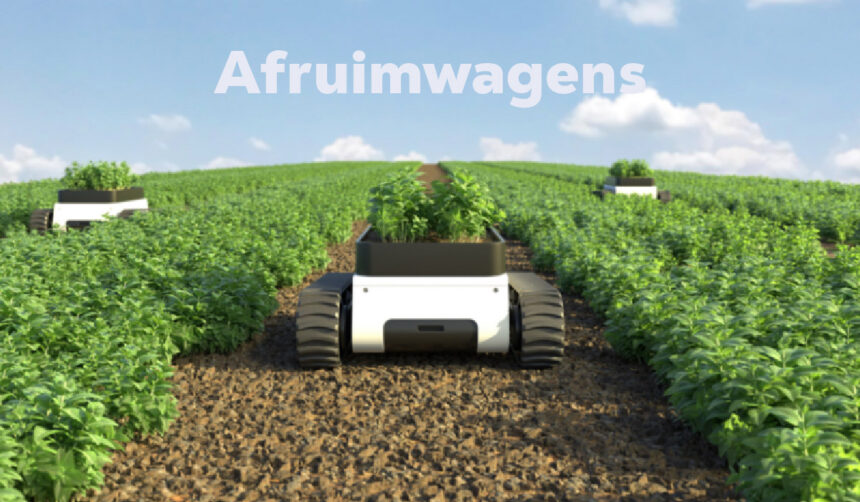
Afruimwagens wear many hats depending on their environment. In agriculture, these wagons are built tough to handle manure spreading, silage transportation, crop movement, and barn cleaning. They’re designed for rugged terrain, capable of navigating muddy paths and uneven fields while carrying significant loads. In contrast, commercial and industrial afruimwagens are engineered for indoor use—equipped with quiet wheels, modular compartments, and sleek hygiene-friendly surfaces. These models appear in hotels for room service logistics, hospitals for sterile material handling, and factories for tool distribution. The dual identity of afruimwagens is a testament to their design versatility. Despite different builds and functions, all versions share a core purpose: increasing productivity, reducing manual labor, and improving workflow across sectors.
Historical Origins and Evolution of Afruimwagens
The journey of afruimwagens can be traced back to traditional communities in Africa and Europe, where manual wooden carts were used to transport everything from crops to animal feed. These rudimentary tools laid the foundation for today’s sophisticated wagons. In early agricultural societies, mobility was key—farmers needed to move large quantities of material using locally available resources like wood and animal labor. As time progressed, steel frames replaced wood, and animal-drawn carts evolved into engine-powered and tractor-pulled wagons.
Hydraulics were later introduced to aid in spreading materials or lifting loads with minimal human effort. As urbanization and industrialization expanded, afruimwagens crossed into hospitality, healthcare, and municipal use. Their evolution mirrors global advancements in transportation, manufacturing, and ergonomics, transforming them from simple carts into essential productivity tools.
Types of Afruimwagens by Use Case
Afruimwagens are not one-size-fits-all; they are purpose-built to suit specific tasks in various sectors. Manure spreaders are designed for agriculture, allowing farmers to distribute animal waste across fields to fertilize crops efficiently. Silage carts are key in livestock farming, enabling the transportation and controlled feeding of livestock. In hospitality, clearing trolleys are used to remove dishes and waste from dining areas.
Housekeeping wagons in hotels manage linen, toiletries, and trash in an organized way. Medical utility carts in hospitals carry sterile supplies, medicines, and even handle biohazards securely. Material handling wagons are common in warehouses and factories, built to withstand heavy-duty transport. Multifunctional afruimwagens combine several of these roles in one, and electric/smart wagons integrate GPS, sensors, and eco-friendly power sources to meet the demands of modern, sustainable industries.
Key Features of Modern Afruimwagens
Today’s afruimwagens are engineered with a focus on performance, hygiene, durability, and ease of use. Materials like stainless steel, high-density polyethylene (HDPE), and reinforced plastics are common for their strength and rust resistance. The build often includes multi-tier shelves, removable trays, and modular compartments for different items. Silent, non-marking wheels allow for smooth movement across surfaces, and many models come with shock-absorbing casters to reduce noise. Ergonomic handles, safety brakes, and locking mechanisms ensure secure and comfortable operation. At the high end, afruimwagens now include GPS tracking, RFID inventory systems, load sensors, and even touchscreen panels for monitoring and control. These features not only boost operational efficiency but also help companies meet industry regulations and sustainability goals.
Afruimwagens in Agriculture – A Game-Changer for Modern Farms
In farming, afruimwagens are nothing short of revolutionary. Traditional tasks like spreading manure or feeding livestock used to require long hours of manual labor, but now these wagons automate the process. Manure management, in particular, benefits from hydraulic afruimwagens that spread waste evenly across fields, enhancing soil fertility and reducing the need for chemical fertilizers. Silage transport is also streamlined—farmers can now deliver feed directly to livestock without shoveling or carrying heavy loads.
During harvesting, afruimwagens are used to collect, store, and move crops, tools, or irrigation equipment from one field to another. The impact is clear: farmers save time, reduce injury risks, and increase productivity. These wagons turn previously grueling tasks into efficient processes, making them vital for modern, scalable agriculture.
Afruimwagens in Commercial and Public Sectors
Beyond farms, afruimwagens play a vital role in urban and commercial life. In restaurants, clearing trolleys help staff manage dishes, glasses, and food waste quickly and hygienically. Hotels rely on housekeeping carts to streamline room servicing, carrying everything from linens to cleaning supplies in one organized unit. In healthcare, sterile afruimwagens support infection control by transporting medical supplies and waste without direct contact. Warehouses and manufacturing plants use material-handling wagons to move tools, components, and finished products along assembly lines. Cities employ afruimwagens for street cleaning, garbage collection, and even park maintenance. Their role in these sectors is growing rapidly due to their efficiency, adaptability, and contribution to organized operations.
Benefits of Afruimwagens in 2025 and Beyond
Afruimwagens offer unmatched value in the modern world. First, they save time and reduce labor costs by allowing fewer workers to perform tasks that once required entire teams. Their multipurpose functionality eliminates the need for multiple tools, freeing up storage and simplifying workflows. In hygiene-sensitive environments, they reduce contamination risks by containing waste and enabling contactless transport. Environmentally, newer electric and hybrid models help reduce carbon emissions and noise pollution. Ergonomics are also improved, with carts designed to minimize physical strain and maximize mobility. These combined benefits make afruimwagens essential in 2025—not just as tools but as strategic assets in sustainable, efficient operations.
How to Choose the Right Afruimwagen
Selecting the right afruimwagen depends on several factors. First, consider the industry—agriculture requires larger, more rugged models, while hospitality or healthcare might need sleek, compact, and sterile designs. Then, evaluate the size and load capacity based on the frequency and type of materials transported. For heavy farm work, opt for high-capacity, hydraulic wagons. For tight indoor spaces, choose compact models with smooth wheels.
Key features to look for include locking drawers, detachable compartments, GPS or RFID tech, and durable frame materials. Don’t overlook cost—while high-end models may cost more upfront, they save money in the long run through durability and low maintenance. Also, research reputable brands with strong after-sales service to ensure replacement parts and servicing are readily available.
Safe Operation and Maintenance Guide
To maximize the lifespan and safety of your afruimwagen, regular checks are crucial. Before use, inspect the wheels, brakes, load balance, and ensure nothing is overpacked or imbalanced. Clean the cart regularly, especially in hospitality and healthcare environments, to prevent bacterial buildup or contamination. Store it in a covered, dry area to avoid rust or weather damage. Maintenance routines should include lubricating moving parts, checking bolts and joints, and replacing worn-out casters. For smart models, ensure all sensors and tech integrations are functioning properly. Operator training is equally important—employees should be instructed on proper loading techniques, weight limits, and safety protocols to reduce injuries and equipment wear.
Common Mistakes to Avoid
Even the best afruimwagens can fail if misused. One common mistake is overloading the cart or distributing weight unevenly, leading to tipping or damage. Ignoring maintenance schedules can result in squeaky wheels, broken parts, or even safety hazards. Choosing the wrong model—such as using a silage cart for dish clearing—can drastically reduce efficiency. Finally, skipping operator training or ignoring the need for personal protective equipment (PPE) can lead to workplace injuries. By avoiding these pitfalls, users can maximize both safety and performance while extending the lifespan of their afruimwagens.
Afruimwagens and Environmental Sustainability
As industries move toward eco-conscious practices, afruimwagens are aligning with these goals. Many manufacturers now use recycled or biodegradable materials in production, reducing environmental impact. Modular construction allows damaged parts to be replaced without discarding the entire cart, promoting reuse and reducing waste. Electric and hybrid afruimwagens reduce fuel use and emissions, making them suitable for green-certified businesses. In agriculture, manure-spreading wagons contribute to organic farming by enhancing soil health and reducing chemical fertilizer use. These carts not only meet sustainability benchmarks but actively contribute to greener, cleaner operations across sectors.
Future of Afruimwagens – What’s Next?
The future of afruimwagens is bright and tech-driven. Expect to see AI-powered carts that learn optimal routes, self-balance loads, or even operate autonomously. Integration with IoT systems will allow real-time data tracking on usage, maintenance, and efficiency. 3D printing may enable hyper-customized carts, made on-demand for specific industries. Lightweight but ultra-strong materials will reduce energy use while increasing durability. These innovations will help afruimwagens remain essential as industries prioritize automation, safety, and sustainability in every layer of operations.
Real-World Case Studies
Across the globe, afruimwagens are proving their worth. A Dutch organic farm reported a 30% boost in efficiency after switching to hydraulic manure carts. In Belgium, a hospital reduced cross-contamination risks by adopting smart carts with sterilized compartments. A restaurant chain in South Africa saw a significant drop in staff injuries and a 25% improvement in table turnaround times thanks to upgraded clearing wagons. In Germany, a construction firm customized afruimwagens to move tools through narrow underground tunnels, improving logistics on critical projects. These stories highlight the versatility, adaptability, and proven impact of these quiet workhorses.
Conclusion
Afruimwagens are no longer just tools—they are strategic assets that transform how businesses and farms operate. Their ability to adapt to different industries, carry out heavy-duty or precision tasks, and integrate with modern technology makes them indispensable in today’s world. With sustainability, safety, and efficiency at their core, afruimwagens help organizations meet both productivity and environmental goals. Whether you’re a farmer looking to automate manure spreading or a hotel manager wanting smoother housekeeping, investing in the right afruimwagen is a step toward smarter, safer, and more sustainable operations. Their story is one of evolution, innovation, and undeniable value—and it’s far from over.
FAQs About Afruimwagens
1. What is an afruimwagen used for?
An afruimwagen is a special type of cart used to transport, clear, or organize materials like manure, crops, dishes, medical supplies, or tools. It helps people save time and effort in places like farms, restaurants, hospitals, and factories.
2. Where are afruimwagens commonly used?
Afruimwagens are used in many places, including agriculture (for manure and crops), restaurants (for clearing dishes), hotels (for housekeeping), hospitals (for medical supplies), and warehouses (for tools and parts). They are helpful in any setting where moving items is needed.
3. What are the benefits of using afruimwagens?
Afruimwagens save time, reduce hard physical work, and help keep spaces clean and organized. They are also good for safety, easy to use, and can carry many items at once. Some models are even eco-friendly and powered by electricity.
4. Are there different types of afruimwagens?
Yes, there are many types of afruimwagens. Some are made for spreading manure on farms, some for feeding livestock, and others for clearing tables, moving medical tools, or carrying heavy items in factories. Each type is built for a specific job.
5. How do I choose the right afruimwagen?
To choose the right afruimwagen, think about what you need it for. Check the size, how much weight it can carry, what materials it’s made of, and any extra features like shelves or wheels. For farms, stronger and larger models work best. For indoor use, smaller and quieter carts are better.
Read More: Kalibraatio Explained: The Powerful Key to Accurate Measurements
For More Information, Visit Emperormagazine