

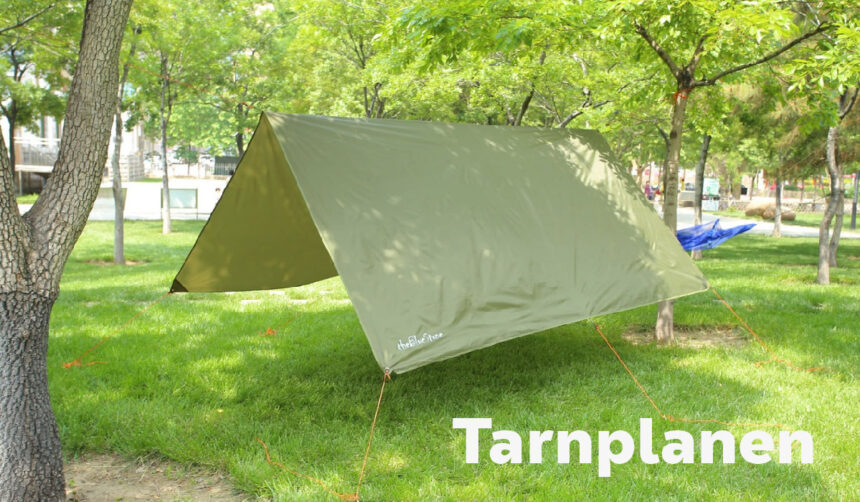
What Is Tarnplanen?
Tarnplanen is more than just a rugged tarp—it is a versatile solution for people seeking concealment, protection, and planning efficiency in outdoor or operational environments. The term is derived from the German language, where “Tarn” means camouflage and “Planen” refers to tarpaulins or covers. When combined, the term literally translates to “camouflage covers,” but the real-world meaning extends much further. Tarnplanen represents a class of durable materials and thoughtful planning that blends physical functionality with strategic concealment.
Used extensively in military, camping, survival, construction, and even modern urban planning contexts, Tarnplanen is rapidly becoming a go-to term for individuals and industries looking for effective protection in unpredictable conditions.
From the wilderness to the battlefield, from job sites to cityscapes, tarnplanen proves its worth by delivering a flexible, portable, and weather-resistant solution that adapts to almost any scenario. This article will explore the origins, materials, design science, and use cases that make tarn planen not only practical but essential in today’s world.
The Origin and Evolution of Tarnplanen
Tarnplanen has its roots deeply embedded in military history, especially during the two World Wars. Early camouflage tactics relied on the ability to blend soldiers, vehicles, and equipment into their natural environments using patterned fabrics or painted surfaces. As warfare evolved, so did the need for lightweight, portable coverings that could provide concealment, weather resistance, and easy deployment.
Germany, known for pioneering tactical efficiency, developed specialized tarpaulins called Tarnplanen that combined durable materials with camouflaged designs. These sheets were used to create instant shelters, wrap supplies, and disguise vehicles from aerial and ground surveillance.
After WWII, surplus Tarnplanen entered civilian markets, where hunters, campers, and farmers discovered their unmatched value. Over the decades, Tarn planen has evolved to serve not just tactical needs but also commercial, recreational, and environmental purposes, all while retaining its core principles of protection, concealment, and adaptability.
The Science Behind Tarnplanen’s Effectiveness
What makes Tarnplanen so effective lies in the intersection of visual disruption and material engineering. The camouflage patterns are not random—they are scientifically designed to break up the outline of objects and mimic natural textures found in forests, deserts, or urban settings.
This is known as disruptive camouflage, which interferes with visual perception by distorting shape, shadow, and depth cues. On top of that, the materials used are engineered for strength, flexibility, and weather endurance. Fabrics such as ripstop nylon, canvas, and PVC-coated polyester are used not only for their durability but also for their ability to resist UV rays, repel water, and withstand abrasion.
Some high-end Tarnplanen even include coatings that reduce infrared visibility, making them effective against thermal imaging equipment. This blend of pattern design and textile technology makes Tarnplanen ideal for environments where visibility equals vulnerability—be it in the wild, a combat zone, or a chaotic construction site.
Key Materials Used in High-Quality Tarnplanen
Understanding the materials behind Tarnplanen is crucial to appreciating its versatility and performance. One of the most popular options is PVC-coated polyester, which offers excellent waterproofing, mold resistance, and long-term UV stability. It’s smooth to the touch, easy to clean, and can withstand prolonged exposure to sun, rain, and dirt. Another common material is cotton-blend canvas, favored for its breathability, ruggedness, and vintage aesthetic.
While canvas may require treatment for full waterproofing, it excels in strength and longevity, making it perfect for camping or slow-paced outdoor use. Ripstop nylon and polyester fabrics are widely used for lightweight, packable Tarnplanen.
These fabrics are woven in a crosshatch pattern that prevents small tears from spreading, which is ideal for bushcraft and backpacking, where weight and flexibility are important. Reinforced grommets, double-stitched seams, and UV-resistant coatings further enhance the performance, allowing Tarn planen to handle the toughest conditions without compromise.
Real-World Applications of Tarn planen
Tarnplanen has become a go-to tool across multiple sectors thanks to its adaptability. In military and tactical applications, it is used to conceal camps, weapons, vehicles, and even personnel during operations. The ability to quickly set up camouflage nets or protective barriers gives soldiers a strategic advantage. In outdoor and survival contexts, hikers, preppers, and adventurers use Tarnplanen to create emergency shelters, protect gear from the elements, or camouflage their presence from wildlife or other humans.
Hunters may create blinds, while photographers use them to stay out of sight. In residential and DIY scenarios, Tarnplanen protects tools, covers vehicles, or shields areas during renovations. Farmers use it to cover hay, while construction workers use it to protect building materials and unfinished surfaces from rain or dust. Even in logistics, companies use large-scale Tarn planen to cover shipments and pallets, ensuring safe transport and storage in unpredictable weather. The flexibility and strength of Tarn planen make it indispensable across nearly all fields where nature or concealment pose challenges.
Tarnplanen in Urban Planning and Conceptual Use
Beyond the physical product, Tarnplanen is being embraced as a conceptual tool in urban planning. It symbolizes adaptability, resilience, and the ability to “cover” vulnerabilities in infrastructure. In modern cities, planners are using green Tarnplanen-like covers—shaded structures, green walls, and flexible roofing systems—to create urban spaces that cool environments, provide shelter, and support sustainability.
Tarnplanen also represents an approach to infrastructure development where flexibility, quick deployment, and environmental blending are key. From temporary event setups to emergency housing in disaster-prone areas, Tarn planen embodies the principles of modular, eco-friendly planning. Even in data security and business continuity, the “Tarn planen mindset” signifies proactive strategies that protect systems from external threats. In essence, the term evolves beyond canvas—it’s now a metaphor for smart, sustainable protection in complex systems.
How to Choose the Right Tarnplanen for Your Needs
Choosing the correct Tarnplanen depends on the intended application. For military or survival purposes, opt for high-grade canvas or PVC with infrared-reducing properties and advanced camouflage patterns. These models typically come in woodland, desert, or urban camo and include reinforced grommets and double-stitched edges for rugged terrain. For campers or hikers, lightweight ripstop nylon or polyester Tarn planen is better—easy to carry, fold, and deploy on the go.
DIYers or homeowners may prefer larger, rectangular PVC-coated tarps that can cover vehicles, firewood stacks, or renovation zones. Size matters: solo campers may do well with 6×8 ft, while 10×12 or larger sizes are suitable for groups, cars, or construction coverage. Also, look for weatherproof certifications, UV resistance, and tear ratings. A comparison chart helps:
| Feature | Canvas | PVC-Coated | Ripstop Nylon |
|---|---|---|---|
| Durability | High | Very High | Moderate |
| Waterproof | Needs coating | Fully waterproof | Yes (with coating) |
| Weight | Heavy | Medium | Light |
| Price | Moderate | High | Low–Medium |
Best Practices for Using Tarnplanen
Using Tarnplanen properly increases its lifespan and effectiveness. For shelter setup, always tie the corners with paracord through reinforced grommets and create a ridge line between two trees or poles. Adjust the tension evenly and use stakes or rocks to anchor the tarp on windy days. For camouflage, make sure to drape the Tarn planen in a way that breaks up the visible shape and adds natural foliage on top for realism.
In storage, never fold Tarnplanen when it’s wet—mildew and rot can develop. Instead, let it air dry completely, then store it in a dry, shaded space. Clean it with cold water and a mild soap (never bleach), and patch small holes or tears using a fabric repair kit. With routine inspection and maintenance, Tarn planen can serve reliably across years of heavy-duty use.
Tarnplanen vs Traditional Tarps
Traditional tarps are basic and often designed with single-purpose use in mind—usually to cover items from rain or sun. In contrast, Tarnplanen offers multi-layered functionality. It doesn’t just protect—it conceals. With military-grade patterns, reinforced edges, and advanced material technology, Tarn planen is more suitable for tactical and all-season applications. Where ordinary tarps might degrade after a season or two, Tarn planen can survive long-term exposure to sun, rain, and rough use. Here’s a quick comparison:
| Feature | Traditional Tarp | Tarn planen |
|---|---|---|
| Camouflage Pattern | Rare | Yes |
| Military Grade | No | Often |
| UV/IR Resistance | Minimal | Yes |
| Tear Resistance | Moderate | High |
| Reusability | Medium | Excellent |
Challenges and Common Mistakes
Despite its strengths, there are common mistakes that can undermine the usefulness of Tarnplanen. One major mistake is choosing the wrong material for the task—using a thin tarp for a heavy-duty job, or vice versa. Another is improper securing, leading to torn grommets during high winds. Many users also forget to check compatibility with local weather; for example, PVC-coated Tarnplanen excels in rainy environments but can get stiff in freezing temperatures. Tarnp lanen isn’t invincible—sharp edges, open flames, and constant UV exposure can degrade even the best covers over time. Regular inspection and adapting the use to the environment are crucial to avoid these pitfalls.
The Role of Tarnplanen in Sustainable and Emergency Living
Tarnplanen supports eco-friendly living by extending the lifespan of goods and minimizing waste. Rather than replacing tools, vehicles, or camping gear that get damaged by the elements, users can rely on Tarnp lanen to provide consistent shielding. Some modern variants are made using recycled or biodegradable materials, aligning with green initiatives. In emergencies, Tarnp lanen is a lifeline—it helps set up temporary shelters, cover food supplies, protect injured individuals from rain, and even serve as stretchers or windbreaks. For preppers and off-grid livers, it’s among the top 10 essential survival tools, right next to water filters and fire-starting kits.
Where to Buy Authentic Tarnplanen
To ensure quality, buy Tarnplanen from reputable outdoor stores, military surplus suppliers, or certified online platforms. Look for terms like “military-grade,” “UV-resistant,” and “100% waterproof” in the product description. Read verified buyer reviews and avoid suspiciously cheap listings. Recommended sources include Amazon (with filters for quality), Decathlon, REI, and local tactical stores. Some manufacturers like Mil-Tec, Fox Outdoor, and Helikon-Tex specialize in authentic Tarnp lanen with NATO specs.
Conclusion
Tarnplanen is not merely a tarp; it is a tool for resilience, a strategy for survival, and a shield against nature’s unpredictability. It blends the science of camouflage, the strength of modern materials, and the philosophy of preparedness into one practical, versatile solution. Whether you’re a soldier, camper, builder, or urban planner, Tarn planen offers unmatched value through its ability to protect, adapt, and endure.
Its long lifespan, ease of use, and cross-industry relevance make it an essential asset in today’s world. As we face increasingly uncertain environments—both natural and social—Tarnplanen becomes not just useful but symbolic of smart, sustainable living. It truly is more than a cover. It’s a mindset.
FAQs About Tarnplanen
1. What is tarnplanen used for?
Tarnplanen is used to protect and conceal people, equipment, or materials in outdoor and tactical environments. It is commonly used for camping, survival shelters, military camouflage, construction coverage, and protecting tools or vehicles from weather such as rain, sun, and wind.
2. Is tarnplanen waterproof and weather-resistant?
Yes, most tarnplanen are waterproof or water‑resistant and designed to handle harsh weather conditions. High‑quality tarnplanen protect against rain, UV sunlight, wind, dust, and moisture, making them suitable for long‑term outdoor use.
3. What materials are tarnplanen made from?
Tarnplanen are usually made from strong materials such as PVC‑coated polyester, canvas, ripstop nylon, or polyethylene. These materials are chosen for their durability, tear resistance, and ability to withstand outdoor environments.
4. Can tarnplanen be used for camping and survival?
Yes, tarnplanen is widely used for camping and survival. It can be used as an emergency shelter, ground cover, rain shield, wind barrier, or gear cover. Its lightweight and portable design makes it ideal for hikers, campers, and survivalists.
5. How long does tarnplanen last?
With proper care and storage, tarn planen can last for many years. Cleaning it after use, drying it fully before storage, and avoiding sharp objects or fire exposure helps extend its lifespan significantly.
Read More: Troozer com Exposed: Powerful Truth About Safety and Legitimacy
For More Information, Visit Emperormagazine