

What Is Piragnia?
Piragnia is a word that sparks immediate intrigue, often triggering mental images of razor-sharp teeth, aggressive fish, and the mysterious waters of the Amazon. But what exactly is Piragnia? Is it a species of fish? A myth? Or simply a misunderstood variation of a better-known term? In simple terms, Piragnia is widely considered a regional or linguistic variation of the word “piranha”—the infamous carnivorous freshwater fish known for its fearsome bite and pack-hunting behavior.
While the term itself is not officially recognized in scientific literature, it has emerged over time through informal speech, popular culture, and local storytelling. This article aims to provide a full, clear understanding of Piragnia, cutting through the fog of fear and fiction to reveal the fascinating biological, ecological, and cultural truths behind the term.
Whether you are a fish enthusiast, a curious traveler, or a nature educator, learning about Pirag nia offers insights into the ecology of South America and the way language shapes how we understand wildlife.
The Origins of the Word Piragnia
Etymology and Linguistic Roots
The term Piragnia does not originate from formal taxonomy but is likely born from linguistic drift—particularly among communities where indigenous languages blend with Portuguese and Spanish influences. The more accurate word, “piranha,” comes from the Tupi language spoken by Brazil’s indigenous peoples, where “pirá” means fish and “ánha” or “ranha” means tooth—literally, “tooth fish.”
Over time, alternative pronunciations, transliterations, and even typographical errors may have evolved the word into Pirag nia. This kind of lexical shift is common in areas with strong oral traditions, where spelling is flexible, and meaning is conveyed through usage more than formal definition.
Piragnia vs. Piranha: A Naming Dilemma
So is Piragnia just another way of saying Piranha? In most cases, yes. Piranha is not officially cataloged as a separate species or subspecies but is frequently used in informal contexts—especially in South American regions such as Brazil, Colombia, or Peru.
Online, you’ll find people searching for both “piragnia fish” and “piranha fish,” often believing they’re two different creatures. This confusion makes it even more important to clearly distinguish between scientific fact and colloquial variation. While both terms refer to the same group of predatory freshwater fish, the use of Piranha often signals regional dialect, oral history, or cultural storytelling.
Physical Characteristics of Piragnia
Size and Body Shape
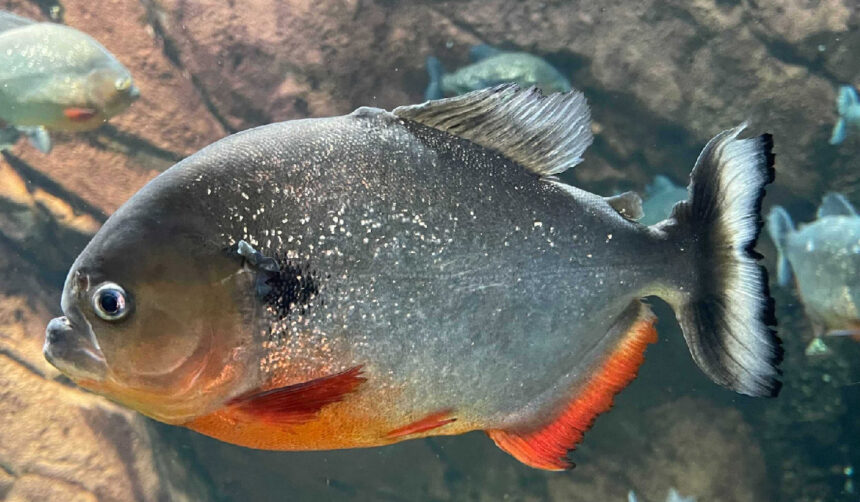
Piragnia, like the standard piranha, features a robust, muscular body built for agility and sudden bursts of power. They generally range in size from 6 to 15 inches, although some individuals have been recorded at lengths of over 20 inches in the wild. Their body is deep and laterally compressed, which allows for swift navigation through dense aquatic vegetation. This shape gives them an advantage when darting toward prey or escaping from larger predators.
Teeth and Jaw Power
What truly sets Piragnia apart—and contributes most to its fearsome reputation—is its jaw structure and teeth. The fish has incredibly strong jaw muscles capable of exerting bite forces that rival much larger animals. Its triangular, interlocking teeth are razor-sharp and aligned in a single row, enabling it to slice through flesh and bone with surgical precision. Evolutionarily, this trait has enabled Piragnia to exploit a variety of food sources, including wounded fish, insects, and even pieces of fruit.
Color Variations and Unique Features
Piragnia comes in a range of colorations depending on age, habitat, and species. Some have shimmering silver scales, while others display hues of red, orange, or even black on their underbellies and fins. The Red-Bellied Piranha (a likely synonym for the red-bellied piranha) is perhaps the most iconic, with vivid coloration and aggressive tendencies. These colorations often serve both camouflage and signaling purposes, playing roles in mating and defense.
Natural Habitat and Distribution
Amazon and Orinoco River Systems
Piragnia thrives in South America’s largest river systems, particularly the Amazon and Orinoco basins. These regions stretch across countries like Brazil, Colombia, Venezuela, and Peru, offering a rich and varied aquatic ecosystem where Piragnia can thrive. These rivers are not only biologically diverse but also structurally complex, offering still waters, deep pools, and dense submerged vegetation.
Seasonal Movements and Flooded Forests
During the wet season, rivers swell and flood surrounding forests, creating temporary aquatic habitats known as várzea. Piragnia uses these flooded areas to access food sources like fruits, insects, and small animals caught in the currents. In the dry season, they retreat to deeper river channels and lakes. These seasonal movements highlight their adaptability and the importance of maintaining natural water cycles.
Ideal Environmental Conditions
Piragnia prefers warm water temperatures between 24°C to 30°C (75°F to 86°F), and environments with plenty of aquatic plants for shelter and ambush. They favor slow-moving or still waters, such as oxbow lakes, backwaters, and floodplain lagoons. These habitats provide protection and are crucial for breeding, feeding, and evading predators.
Diet and Feeding Habits
What Piragnia Really Eats
Contrary to the myth that Piragnia survives solely on meat, these fish are omnivores with a highly flexible diet. They feed on a combination of small fish, aquatic insects, plant matter, seeds, fruits, and even carrion. Their diet changes with seasons and availability, reflecting a resourceful and opportunistic approach to feeding.
Scavenging vs. Hunting
Piragnia is more of a scavenger than a hunter, preferring to feed on already-injured animals or leftover organic matter. This ecological role is extremely beneficial, as it helps clean the water by removing decaying organisms, reducing disease spread, and balancing population dynamics of smaller fish and invertebrates.
Feeding Frenzies — Fact or Fiction?
Movies often depict Piragnia as launching into blood-crazed feeding frenzies, stripping animals to the bone in seconds. In reality, such events are extremely rare and typically triggered by stressful conditions such as overcrowding or severe food scarcity. Most of the time, Piragnia conserves energy and only becomes aggressive when provoked or defending resources.
Behavior and Social Structure
Schooling Behavior
Piragnia are social fish that often swim in schools for both offensive and defensive reasons. Schooling allows them to confuse predators, increase hunting success, and share information about food sources. Interestingly, juveniles tend to school more than adults, who may adopt more solitary or territorial behavior.
Triggers for Aggression
Aggression in Piragnia is not constant. It’s typically triggered by low water levels, competition for food, or breeding season. When resources become scarce, Piranha may show aggressive displays to establish dominance or ward off threats. However, outside of these specific conditions, they are generally calm.
Interactions with Humans and Other Animals
Piragnia seldom interacts with humans unless provoked or cornered. Documented cases of attacks are almost always due to human interference, such as fishing, habitat intrusion, or handling injured fish. Wild Piranha are far more interested in avoiding threats than engaging them.
Piranha in the Amazon River Ecosystem
Ecological Role
Piragnia plays an essential role in the balance of river ecosystems. As both predators and scavengers, they help regulate populations of smaller fish and insects. By feeding on the weak and diseased, they prevent the spread of illness and contribute to the overall health of aquatic biodiversity.
Symbiotic Relationships
Piragnia shares its habitat with a wide range of species, from caimans and river dolphins to wading birds and turtles. While not symbiotic in the strictest biological sense, their ecological presence supports nutrient cycles and affects food chain dynamics, indirectly benefiting many other species.
Environmental Indicators
The presence and behavior of Piranha can indicate changes in the health of freshwater systems. A decline in their numbers may signal pollution, overfishing, or habitat degradation, making them important indicators for conservationists.
Common Myths and Misconceptions
Popular Media vs. Reality
Movies like Piranha 3D have done no favors for Piragnia’s image. These portrayals are exaggerated and inaccurate, designed for shock value rather than education. Real Piranha are cautious, calculated, and far less dangerous than their Hollywood versions.
Piragnia as a Man-Eater
The myth that Piranha regularly attack humans is largely untrue. While bites can happen, they are usually defensive and rarely fatal. Swimmers in the Amazon are generally safe, especially if they respect local guidelines.
Piranha vs. Other Freshwater Predators
Comparison with Piranha
There’s virtually no difference between Piranha and Piranha from a biological perspective. The terms are interchangeable in most contexts, although “piranha” is the recognized scientific name.
Differences from Catfish, Arapaima, etc.
Unlike catfish or arapaima, Piragnia are more agile, smaller, and communal. While arapaima are giant, air-breathing fish and catfish are bottom-dwellers, Piranha are mid-level opportunistic predators with specialized teeth for quick strikes.
Cultural Significance and Symbolism
Indigenous Folklore and Legends
In Amazonian folklore, Piragnia are seen as guardians of the river or omens of caution. Stories often describe them as creatures that test human humility and respect for nature.
Modern Symbolism
Today, Piragnia are depicted in tattoos, artwork, and tribal carvings, symbolizing strength, fear, or survival. They are a favorite subject in eco-tourism campaigns and biological documentaries.
Use in Fishing and Local Diets
In many riverside communities, Piranha are a valuable food source. They are caught using nets, lines, or even baited traps, and are considered tasty when grilled or fried.
Scientific Studies and Research on Pirag nia
Bite Force and Skull Mechanics
Studies have shown Piranha possess one of the strongest bite forces among freshwater fish, relative to size. Their jaw mechanics are often studied to understand predator-prey interactions and evolutionary biology.
Group Dynamics and Communication
Research into schooling patterns shows that Pirag nia use visual cues and water vibrations to coordinate movements, share feeding zones, and avoid threats.
The Prehistoric Megapiragnia
Fossil records suggest the existence of ancient, giant Piranha-like species, often referred to as megapiranha. These fish were much larger and capable of crushing shells and bones, offering insights into the evolution of modern predatory fish.
Conservation and Environmental Threats
Impact of Deforestation and Pollution
Logging, damming, and agricultural runoff are major threats to Piranha habitats. These activities degrade water quality, reduce oxygen levels, and disrupt breeding patterns.
Overfishing and Illegal Pet Trade
Piragnia are also victims of overfishing and the exotic pet trade, where they are captured and sold illegally. This not only harms their populations but also disrupts ecological balance.
Current Conservation Efforts
Nonprofits and local governments are working to protect river ecosystems, raise awareness, and enforce sustainable fishing laws. Educating communities about the value of Piragnia is key to long-term success.
Are Piragnia Dangerous to Humans?
Scientific Consensus
Science says no, Piragnia are not inherently dangerous to humans. Most species prefer to avoid confrontation and only react when threatened.
How to Stay Safe Around Piragnia
Avoid swimming in murky waters during the dry season, don’t enter the water with open wounds, and follow local guidance. These simple steps can eliminate any minor risks.
Why Understanding Piragnia Matters
For Nature Lovers and Ecologists
Piragnia plays a vital role in preserving river biodiversity. Understanding their behavior helps in protecting ecosystems that support countless other species.
For Pop Culture and Science Education
Accurate knowledge dispels fear and fosters appreciation. Teaching children and adults the real facts about Pirag nia encourages respect for nature and discourages exploitation.
Final Thoughts
Piragnia may sound fearsome, but in reality, it’s a misunderstood creature caught between folklore and biology. By learning more about its behavior, ecology, and cultural symbolism, we can better appreciate its role in nature. Rather than seeing Piranha as a threat, we should recognize it as a fascinating, essential component of one of the world’s richest ecosystems.
FAQs
1. What is Piragnia?
Piragnia is a regional or informal name often used to describe piranha‑like freshwater fish found in South American rivers. It is not a separate scientific species but a variation of the word piranha used in the local language, online searches, or cultural references.
2. Is Piragnia the same as a piranha?
Yes, in most cases Piranha refers to piranha. The difference is mainly linguistic, not biological. Pirag nia is commonly a misspelling, pronunciation variation, or regional term rather than a distinct fish species.
3. Where does Piragnia live?
Piragnia lives in tropical freshwater rivers, mainly in South America. It is commonly associated with the Amazon and Orinoco river systems, where warm water, vegetation, and seasonal flooding create ideal living conditions.
4. Is Piragnia dangerous to humans?
No, Piragnia is rarely dangerous to humans. Attacks are extremely uncommon and usually happen only when the fish feels threatened, stressed, or lacks food. In normal conditions, Piranha avoids human interaction.
5. Why is Piranha important to the ecosystem?
Piranha helps maintain river ecosystem balance by feeding on weak, injured, or dead animals. This prevents disease spread, controls fish populations, and supports overall freshwater biodiversity.
Read More: Cricfooty: The Ultimate Hybrid Sport Revolution
For More Information, Visit Emperormagazine