

What Is Asbestlint?
You may never have heard the term “asbestlint”—but it may be hiding quietly in the walls, ceilings, or heating systems of countless buildings built before 1990. Asbestlint refers to a fibrous asbestos-based insulation material, often mistaken for simple tape or cloth, that was once widely used for its excellent heat resistance. Over time, however, the hidden danger of asbestlint has become painfully clear.
When this material breaks down, it can release microscopic asbestos fibers into the air—particles that, when inhaled, can remain trapped in the lungs for life and eventually cause life-threatening diseases.
This article aims to give you a complete and practical understanding of asbestos: what it is, why it’s dangerous, where it can be found, how to detect it, and what modern technologies can now do to help us deal with it safely. Whether you’re a homeowner, property manager, contractor, or safety professional, knowing the full picture about asbestlint is essential for making informed, life-saving decisions in both residential and commercial environments.
Understanding Asbestlint – Definition and Background
Asbestlint is a specific type of asbestos-containing material (ACM) used mainly as a heat-resistant insulation. It was commonly manufactured in rope-like or tape-like form and installed as a flexible wrapping or gasket in high-temperature areas.
The name “asbestlint” combines “asbest” (the Dutch, German, and Scandinavian word for asbestos) and “lint,” meaning rope, tape, or string. Unlike the more familiar friable asbestos found in old ceiling tiles or pipe insulation, asbestlint is often mistaken for harmless fiber or lint-like wrapping—hence the confusion and delayed identification. This subtle form made it popular in industrial settings where precise insulation was needed.
However, its fibrous nature makes it especially dangerous once disturbed. Asbestlint doesn’t just stay in place forever; over the years, it can degrade, crumble, or get frayed, especially when exposed to heat, moisture, or vibrations. This degradation process releases fine asbestos fibers, which are then inhaled unknowingly by residents or workers.
Historical Use and Industrial Applications
Between the 1930s and 1980s, asbestlint was viewed as a brilliant invention. It was durable, fire-resistant, flexible, and able to withstand extreme temperatures—ideal for sealing boilers, wrapping hot pipes, or lining furnaces. It was often used in power plants, manufacturing facilities, shipyards, schools, and even homes. Rope gaskets made from asbestlint were common in furnace doors, while tape versions were used to insulate joints in heating systems.
Many vintage vehicles also used asbestos-based rope materials in exhaust or clutch components. At the time, these products were inexpensive and highly effective, and there was little awareness of the long-term health risks. It wasn’t until later in the 20th century that researchers uncovered the dark side of asbestos: the small, sharp fibers released by these materials could embed themselves in human lung tissue, causing irreversible damage. Despite global bans and regulation, many of these materials, including asbestlint, remain hidden in older buildings.
Where You Might Encounter Asbestlint Today
Asbestlint still exists in thousands of homes and buildings across the world, especially in places built before asbestos regulation became strict in the late 1980s. In residential settings, asbestlint can often be found under floorboards, wrapped around central heating pipes, or sealing doors on vintage ovens and furnaces. It may look like harmless gray or white cloth, but even minor deterioration can cause it to shed fibers.
In larger buildings like schools, hospitals, and factories, it’s often present in mechanical rooms, wrapped around steam pipes, or used in the fireproofing of equipment. Some older vehicle engines still have remnants of asbestos rope or seals. Because it mimics the look of non-toxic materials, asbestlint often goes undetected during maintenance or renovation projects—until it’s too late. That’s why building age and construction history are key clues in knowing whether you might be at risk.
Health Risks of Asbestlint Exposure
The real danger of asbestlint lies in the fibers it releases. These tiny, needle-like fibers are not visible to the naked eye, yet when inhaled, they can penetrate deep into the lungs and stay there for decades. The body cannot break them down. Over time, they can cause inflammation, tissue damage, and eventually trigger serious health conditions. Diseases like asbestosis result from long-term scarring of the lungs, while mesothelioma—a rare but deadly cancer—typically develops decades after even minimal asbestos exposure.
Lung cancer is another known result, especially for people who smoke and have been exposed to asbestos. Even pleural plaques, which may seem harmless, are signs that asbestos fibers have reached the lungs. The latency period for these illnesses ranges from 20 to 40 years, meaning you could be exposed today and not feel the effects for decades. This delayed onset makes awareness and early detection absolutely critical.
How to Identify Suspected Asbestlint in Your Building
Identifying asbestlint isn’t easy without professional help, but there are some visual signs to look out for. Frayed, fabric-like materials wrapped around old pipes or boilers are a major red flag—especially if they’re gray or white, or if they crumble or create lint-like dust.
Materials that were installed before 1990 and are now discolored, brittle, or dusty should be considered suspicious. Dust that seems to keep reappearing around pipe joints, vents, or ceiling tiles is another clue that asbestos-based materials may be degrading and releasing fibers. However, no matter how obvious the signs may seem, you should never try to confirm the presence of asbestlint on your own.
Only a licensed asbestos inspector has the training, protective equipment, and lab access to test materials properly. They’ll use approved methods like Phase Contrast Microscopy (PCM), Polarized Light Microscopy (PLM), or Transmission Electron Microscopy (TEM) to identify asbestos types and concentrations. These results can determine whether urgent removal is required or if monitoring is sufficient.
What To Do If You Suspect Asbestlint
If you suspect asbestlint in your home, workplace, or building site, the first and most important step is: do not disturb it. Even lightly brushing against it can send invisible fibers into the air. Close off the area, inform everyone nearby not to touch the material, and immediately contact a certified asbestos professional. These experts can safely inspect the area, take samples, and assess the risk.
Their report will guide you on the next steps, which might include encapsulation (sealing the material), removal, or continuous monitoring. DIY kits and amateur removal attempts are not only dangerous—they’re often illegal. If asbestos is confirmed, only licensed contractors should handle the cleanup. Documentation and testing reports should be stored securely, as they may be needed for compliance, future sales, or renovations.
Safe Removal and Professional Management
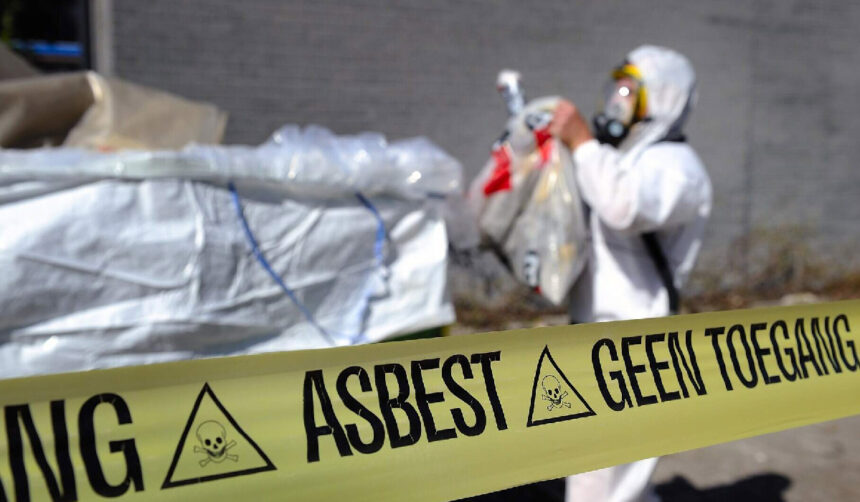
Removing asbestlint safely involves strict procedures and specialist equipment. Professional teams wear protective suits and respirators, seal off the affected area with plastic sheeting and negative pressure machines, and follow controlled steps to minimize fiber release. The material is kept wet to prevent dust from becoming airborne, and every particle is vacuumed with HEPA-filtered equipment.
Once removed, the contaminated waste is double-bagged and transported to licensed hazardous waste facilities. In countries like the U.S., UK, Canada, and across the EU, asbestos removal is heavily regulated. Agencies like the EPA, HSE, and OSHA enforce rules that require certified teams, detailed record-keeping, and fines for non-compliance. Attempting to remove asbestos-containing materials yourself is not just risky—it could also lead to serious legal consequences and future liability if contamination spreads to others.
Preventing Future Exposure
The best way to prevent future exposure to asbestlint is through regular inspection, responsible building maintenance, and use of safe modern alternatives. If your building was constructed before 1990, schedule a professional asbestos survey every few years—especially before any renovations. Maintain clear records of inspections, abatement actions, and lab results. Inform contractors, tenants, or workers about any known asbestos presence.
Don’t drill, cut, or hammer walls or ceilings without confirming safety. Replace any old asbestos materials with newer, non-toxic options like fiberglass, mineral wool, or ceramic-based insulation. Today’s insulation products offer superior heat resistance without the dangers of asbestos. Staying proactive about asbestos risk doesn’t just protect your lungs—it also protects your finances, property value, and long-term legal compliance.
New Technology Changing the Game
Modern innovations are finally making it easier and safer to deal with materials like asbestlint. One of the most exciting breakthroughs is Laser-Induced Breakdown Spectroscopy (LIBS), which allows experts to scan materials with a laser and detect asbestos particles in real-time—without needing to physically break or sample the material. These devices are now combined with AI software that can recognize asbestos types from spectral data.
Drones are also being used to inspect high or dangerous spaces like ceilings and ductwork, while robot-mounted sensors can scan crawlspaces and basements without putting humans at risk. Smart air quality monitors are now capable of detecting airborne fibers, giving real-time warnings if contamination is present. Even better, platforms can map entire buildings, creating 3D “asbestos heatmaps” that help owners manage risk, schedule safe repairs, and stay compliant with safety laws.
Real-Life Scenarios and Case Studies
In a school district in the Midwest, a 1970s-built campus was scheduled for renovation. Initial suspicion of asbestos halted progress. Using drone scanning and LIBS tools, inspectors found that most presumed materials were asbestos-free—saving thousands in removal costs and reducing disruption for students. In a flood-damaged hospital in the UK, asbestlint was discovered in boiler room insulation.
Autonomous robots were deployed to scan the damage and map safe entry zones. In a historic opera house undergoing restoration, the use of non-invasive detection tools allowed contractors to confirm asbestos presence without damaging ornate architectural features. Each of these cases proves that with the right technology and awareness, we can handle asbestos safely, affordably, and respectfully.
Common Myths About Asbestlint
Many people believe that asbestos is only dangerous if it’s touched or moved, but this is dangerously false. Even minor vibrations or changes in air pressure can cause degraded asbestlint to release fibers. Another common myth is that a clean-looking room is a safe room. In reality, asbestos fibers are invisible and odorless. A third myth is that you can just vacuum it up—but using a standard vacuum without HEPA filtration can actually blow the fibers back into the air and make the contamination worse. Proper education and protective action are the only safe ways forward.
Asbestlint in 2025 – The Road Ahead
In 2025, asbestos laws are tightening around the world. More countries are enforcing mandatory air quality inspections in schools, public buildings, and residential rentals. New regulations are pushing landlords to disclose asbestos presence during lease agreements. Government grants and insurance coverage are becoming available for low-income homeowners to test and remove asbestos safely. With AI-powered tools and environmental awareness increasing, there’s hope that we can finally remove asbestlint and its hidden dangers from our shared spaces.
Final Thoughts
Asbestlint might look like a harmless fiber or old tape, but the truth is much more dangerous. The fibers it releases can silently lodge in our lungs and remain there for life, leading to severe illnesses decades later. With education, modern technology, and proper professional help, we can detect, manage, and remove this silent threat. If your home or building predates the 1990s, or you see signs of old fibrous insulation, don’t take the risk—get it tested. When it comes to asbestlint, guessing can cost lives. But informed action can save them.
FAQs About Asbestlint
What is asbestlint?
Asbestlint is a fibrous asbestos-based insulation material used in older buildings. It looks like cloth, rope, or tape and was often used around pipes, boilers, and heating systems. When disturbed, it can release dangerous asbestos fibers into the air.
Is asbestlint dangerous?
Yes, asbestlint is very dangerous if it’s damaged or disturbed. It can release invisible asbestos fibers that, when inhaled, may lead to serious health problems like lung cancer, asbestosis, or mesothelioma.
How can I tell if I have asbestlint in my home?
You may have asbestlint if your home was built before 1990 and you see frayed, dusty insulation on pipes or boilers. However, only a certified asbestos professional can confirm it through proper testing.
What should I do if I suspect asbestlint?
Do not touch or disturb the material. Close off the area and contact a licensed asbestos inspector. They will safely test the material and guide you on the next steps for removal or management.
Can I remove asbestlint myself?
No, removing asbestlint yourself is not safe and is often illegal. Always hire a certified asbestos removal expert who uses special equipment and follows strict safety laws to handle it properly.
Read More: Yürkiyr Explained: The Powerful Creative Movement Blending Tradition with Innovation
For More Information, Visit Emperormagazine